
Reporting Data vs. Operating Data: Why Most Restaurants Are Looking in the Rearview Mirror
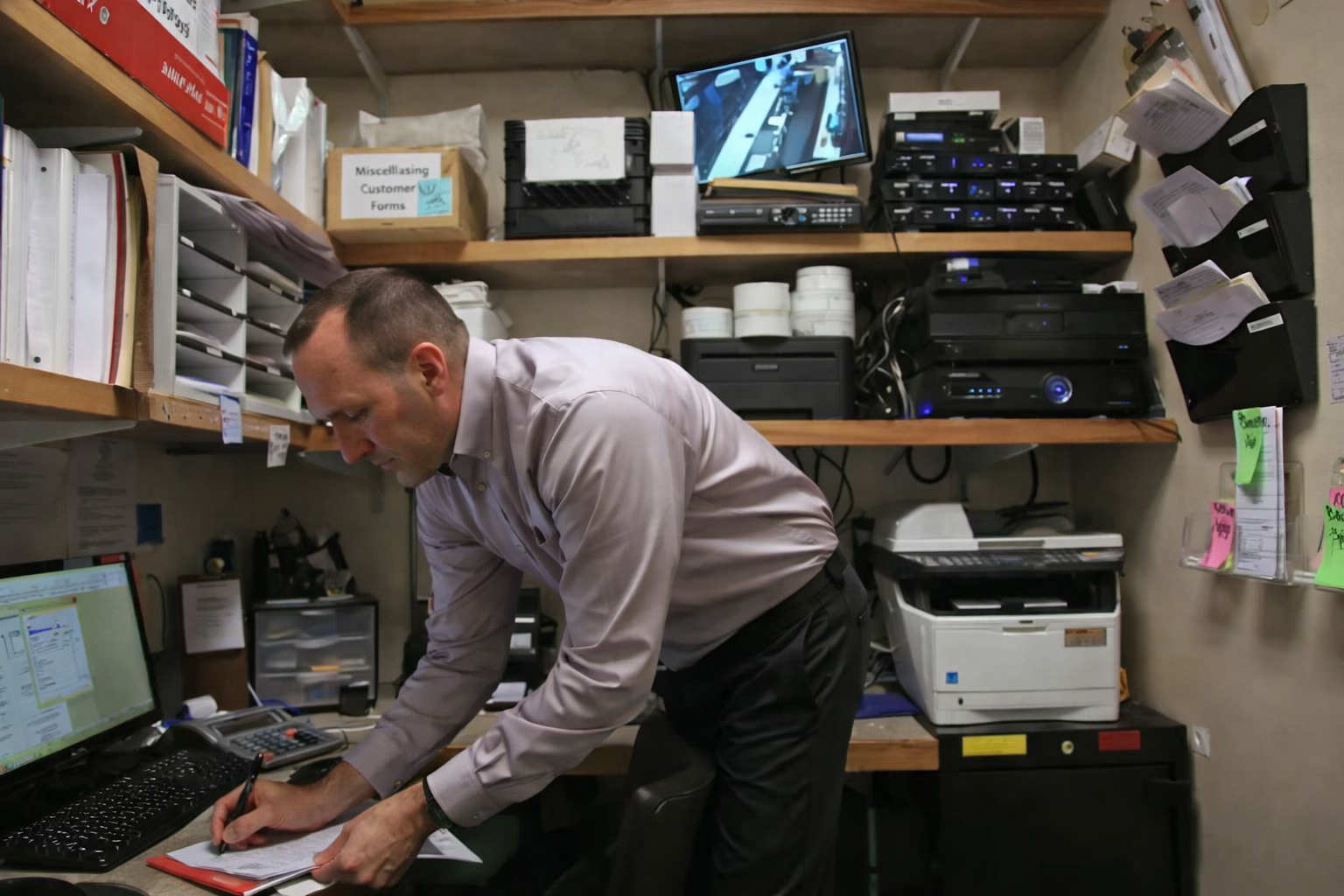
The kitchen closed hours ago. Guests have settled their tabs and gone home.
Y
our team punched out when the last table cleared.
And here you are, still in the back office, pulling reports.
You're cross-referencing sales from the POS against labor from your scheduling software, trying to reconcile numbers that don't quite match. By the time you figure out what happened during tonight's shift, the shift is already over. The guests who waited too long are posting reviews. The server who got cut too early went home frustrated. Whatever adjustments you could have made are now irrelevant.
This is the daily reality for most restaurant operators. Hours spent analyzing data that tells you everything about yesterday and nothing about what's coming next. It's like driving by staring into the rearview mirror, trying to navigate the road ahead by studying where you've already been.
The problem isn't that restaurants lack data. The problem is that most of it shows up too late.
Two Types of Data Every Operator Needs to Understand
When we talk about information flowing through a restaurant, we're describing two fundamentally different categories. Understanding the distinction changes how you think about running shifts.
Reporting data is what you review at management meetings and monthly reviews. Think of it as a historian, documenting what happened over a defined period. Your P&L statement. Last week's labor percentage. The monthly food cost summary. Comp and void totals from the previous quarter.
This data matters. It reveals patterns over time and helps you evaluate performance against goals. But a historian can only tell you what already happened. By the time you're reviewing last week's labor percentage, those dollars have already been spent. You can't send a server home from a shift that ended four days ago.
Operating data is what you should be able to see during service. Think of it as a scout, reporting back on what's developing in real time. Live sales as tickets come in. Current ticket times by station. Reservation pacing against actual covers. Overtime alerts before anyone crosses the threshold.
The scout brings intelligence that shapes decisions in the moment. When the dining room fills faster than expected, you know immediately, while there's still time to call in support or adjust the floor plan. When a line cook approaches overtime, you know before they hit the number.
Reporting data explains results. Operating data shapes them.
Why Most Restaurants Only See Half the Picture
Walk through the technology stack of a typical restaurant, and you'll find a pattern. Nearly every tool was designed for the historian, not the scout.
Your POS generates end-of-day reports, summarizing what sold after the kitchen closes. Your accounting software reconciles transactions once they've settled. Your scheduling tool shows who worked, cataloging hours after the fact rather than revealing how that labor performed against demand during the shift.
Each system does its job capably. But they're all looking backward. Very few platforms were built to answer the question operators actually need during service: what's happening right now, and what's likely to happen next?
The consequence is a management style that feels perpetually reactive. Operators become firefighters, responding to problems after they've already spread. They spend hours each week pulling data from multiple systems, manually stitching it together, trying to understand performance that's already locked in the past.
This reactive cycle creates a slow leak that compounds over time. Small misses go unnoticed until they become patterns. Patterns become persistent inefficiencies. Inefficiencies erode margins. In an industry where profit often hovers around 3-5%, these invisible losses can make the difference between thriving and barely surviving.
The Real Cost of Late Information
Consider a common scenario:
It’s Thursday night service and a party of twelve walks in without a reservation. The host seats them, and within twenty minutes, the kitchen is backed up. Ticket times are climbing. The expo is overwhelmed. Servers are apologizing to guests at other tables.
By the time the manager recognizes the extent of the problem, the damage is done. Guests have waited too long. Comps will be issued. Reviews may reflect the experience.
Now imagine that same scenario with operating data in place.
When that twelve-top sits down, the system projects the impact on current kitchen capacity. The manager sees that ticket times will likely exceed acceptable thresholds within fifteen minutes. An alert suggests shifting your expeditor to the back line or slowing the door.
Same situation. Different outcome. The only difference is timing.
Building a Dashboard That Actually Helps During Service
If the pattern of midnight spreadsheets feels familiar, start by asking a simple question about every piece of data you currently track:
When do I see this information, and can I still act on it?
If the answer is "after the moment has passed," you're dealing with reporting data. Valuable for evaluation and planning, but silent when you need guidance during service.
The goal is to complement that backward-looking view with real-time visibility. You still need P&L statements and monthly reviews. But you also need a windshield view that surfaces what's happening while you can still influence outcomes.
This means connecting the systems you already use. Your POS, scheduling tool, reservation platform, inventory management. Instead of each operating as an isolated island, they feed into a unified view that reveals the current state of operations. The information arrives during the shift, while decisions still matter.
The Shift from Explaining to Shaping
Restaurant leadership has always required intuition, presence, and the ability to read a room. These skills remain vital. The best operators have an instinct for service that no dashboard can replicate.
Data doesn't diminish that instinct. Data supports it.
When managers aren't buried in manual reconciliation, they have more time on the floor. When they can see operational pressure points before service, they can prepare accordingly. When they know which stations are falling behind in real time, they can reallocate resources before guests feel the impact.
The hospitality industry is fundamentally human. The work is fast, physical, social, and emotional. That's exactly why better data has become essential. When service moves at full speed, nobody has time to cross-check five dashboards or reconcile conflicting reports.
Operators deserve tools that deliver the truth quickly, so they can spend less time staring at screens and more time doing what they do best: leading their teams and taking care of guests.
The Bottom Line
Both types of data matter. Reporting data helps you understand the business over time. Operating data helps you run stronger shifts in the moment.
But only one makes a difference while the kitchen is firing.
If your weeks include hours spent reconciling reports that tell you what already happened, you're navigating by the rearview mirror while the road ahead keeps moving. The restaurants that thrive will be those that learn to look through the windshield, anticipating what's coming rather than just processing what has passed.
PulseCheck AI is a restaurant intelligence platform that unifies data from across your tech stack to deliver a single operating view. No more manual reconciliation. No more conflicting reports. Just the truth behind every shift.Related Reading:
The Restaurant Data Gap: Why Your Industry Is Years Behind
5 Signs Your Restaurant Is Running on Gut Instinct Instead of Data
Why "AI" Isn't Working for Most Restaurants (And What Actually Will)